


What Causes Glassy Eyes in Older Adults
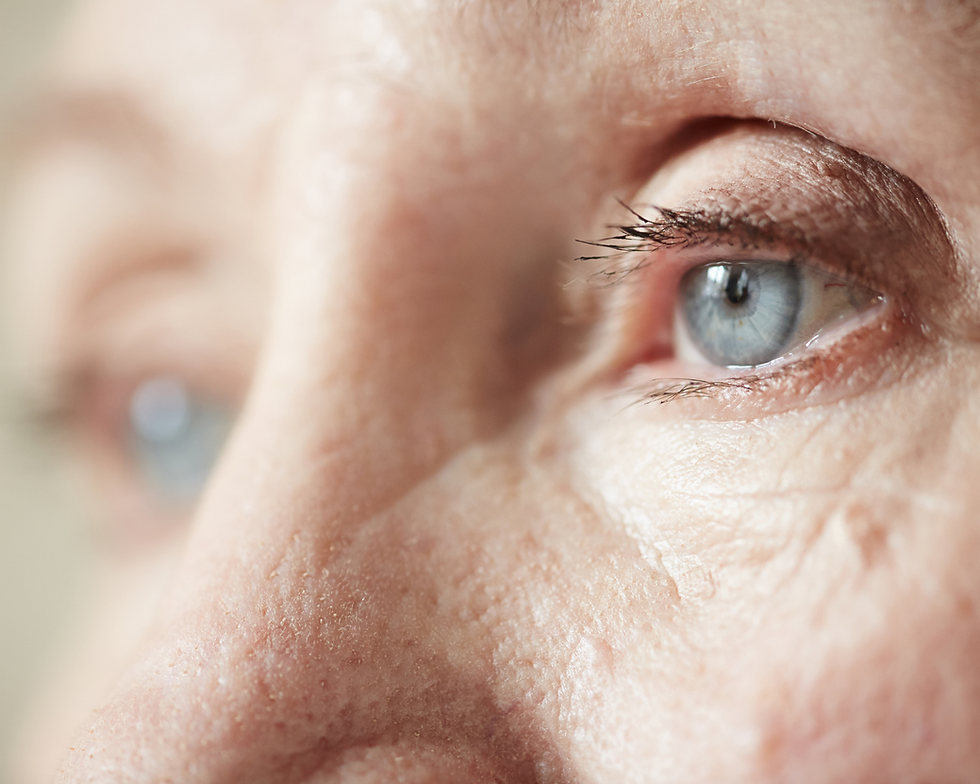
Glassy eyes can make a person's eyes look unusually shiny, watery, unfocused, or as though there is a thin layer of moisture over them. While this appearance is not a medical diagnosis by itself, glassy eyes in older adults can have several causes, ranging from temporary eye irritation and fatigue to dry eye, dehydration, infection, or another condition that needs medical attention.
Because some causes are more serious than others, it is important to consider any symptoms that occur alongside the change in appearance.
What Are Glassy Eyes?
"Glassy eyes" is a common description rather than a specific medical condition. Someone may appear to have glassy eyes when their eyes are unusually watery, shiny, red, tired-looking, or less focused than usual.
In older adults, changes to the tear film are particularly common. Tear production can decrease with age, making dry eye more likely.
Sometimes dry eyes can actually cause excessive watering, because irritation triggers the eyes to produce additional watery tears.
Common Causes of Glassy Eyes in the Elderly
1. Dry Eye
Dry eye is one of the more common explanations for watery, shiny, irritated-looking eyes in older adults. Aging can reduce tear production, while certain medications, medical conditions, air conditioning, wind, smoke, and other environmental factors can contribute to dry eye.
Other symptoms may include:
Burning or stinging
Itching
Redness
A gritty or scratchy feeling
Light sensitivity
Blurred or fluctuating vision
Excessive tearing
Severe untreated dry eye can damage the surface of the cornea and increase the risk of inflammation, infection, and vision problems.
2. Dehydration
Older adults can be more vulnerable to dehydration, particularly when they do not drink enough fluids or lose fluids through illness, vomiting, diarrhea, sweating, or certain medications. Some older adults also experience a reduced sense of thirst as they age.
Dehydration may be accompanied by:
Dry mouth
Thirst
Dark-colored urine
Less frequent urination
Dizziness
Tiredness
Confusion in more severe cases
If an older adult has glassy-looking eyes along with confusion, severe dizziness, very little urination, rapid breathing, or loss of consciousness, medical attention is important because severe dehydration can be dangerous.
3. Eye Irritation or Allergies
Dust, smoke, wind, bright light, allergens, and other irritants can cause the eyes to water and appear glossy or glassy.
Allergies may also cause itching, redness, and excessive tearing. Removing the irritant and avoiding rubbing the eyes may help, but persistent symptoms should be evaluated by a healthcare professional.
4. Eye Infections
Eye infections, including conjunctivitis, can cause watery or glassy-looking eyes. Infection is more likely when there is also redness, swelling, discomfort, or discharge.
A blocked tear duct can also cause persistent watery eyes and may increase the risk of eye infection because tears do not drain normally. Age-related changes can make blocked tear ducts more common in older adults.
5. Fatigue and Eyestrain
Tired eyes can look watery, shiny, or unfocused. Eyestrain may occur after prolonged reading, driving, computer use, or other activities requiring intense visual concentration.
Mayo Clinic notes that eyestrain can cause tiredness, burning, itching, watery, or dry eyes and usually improves after resting the eyes.
6. Medications
Some medications can contribute to dry eyes or changes in tear production. Examples include certain antihistamines, decongestants, antidepressants, blood pressure medications, and other drugs.
If glassy or watery eyes begin after starting a medication, do not stop the medication without speaking with the prescribing healthcare professional. They can determine whether a medication may be contributing to the symptoms and whether an alternative is appropriate.
Is It Dangerous to Have Glassy Eyes?
Glassy eyes are not necessarily dangerous on their own. In many cases, the appearance may be related to dry eyes, temporary irritation, allergies, tiredness, or another relatively minor issue.
However, the appearance of the eyes should be considered alongside other symptoms.
Seek prompt medical evaluation if an older adult develops glassy eyes with:
Eye pain
Significant redness
Vision changes or blurred vision
Significant eye discharge
Light sensitivity
An eye injury
A feeling that something is stuck in the eye
Sudden changes in vision
Mayo Clinic recommends medical attention for watery eyes accompanied by worsening vision, eye pain, or a sensation that something is in the eye.
Sudden vision loss, severe eye pain, serious eye injury, or significant changes in vision should be treated as urgent medical concerns.
How Are Glassy Eyes Treated?
Treatment depends on the underlying cause. There is no single treatment specifically for "glassy eyes."
For dry eyes
A healthcare professional may recommend artificial tears, lubricating ointments, warm compresses, or prescription treatments depending on the severity and cause.
For dehydration
Mild dehydration may be addressed by drinking appropriate amounts of fluid, while severe dehydration may require medical treatment, including intravenous fluids. Older adults with medical conditions that restrict fluid intake should follow their healthcare provider's recommendations.
For infections
An eye infection needs to be evaluated to determine its cause. Treatment may include specific medications when appropriate rather than simply treating the watery or glassy appearance.
For medication-related symptoms
A healthcare provider can review the senior's medications and determine whether a particular drug could be contributing to dry or watery eyes. Medication changes should only be made with professional guidance.
How Can Families Help Prevent Eye Problems?
Families and caregivers can support healthy eyes through simple daily habits.
Encourage appropriate hydration
Make sure seniors have regular opportunities to drink fluids, while following any fluid restrictions prescribed by their healthcare provider. Older adults may not always recognize thirst, so regular reminders can be helpful.
Protect the eyes from irritants
Avoid exposing the eyes to cigarette smoke, strong air currents, excessive dust, and other known irritants. A humidifier may help in particularly dry environments.
Encourage regular eye care
Regular eye examinations can help identify age-related eye conditions and vision changes. Older adults can develop conditions such as cataracts, glaucoma, and other eye diseases that may affect vision.
Practice good eye hygiene
Encourage seniors to wash their hands regularly and avoid rubbing their eyes. If they use contact lenses, they should follow their eye-care professional's cleaning and replacement recommendations.
Give the eyes regular breaks
Reading, television, computers, and other activities that require prolonged visual concentration can contribute to eyestrain. Encourage regular breaks and frequent blinking, particularly when using digital screens.
How In-Home Care Can Help
For older adults receiving in-home care, caregivers can help families notice changes that might otherwise go unnoticed.
A caregiver may help by:
Encouraging appropriate fluid intake
Observing changes in eye appearance
Noticing redness, discharge, or discomfort
Helping maintain daily hygiene
Providing medication reminders as directed
Supporting transportation to medical appointments
Communicating noticeable changes to family members or the appropriate healthcare professional
These observations can be especially valuable when an older adult has difficulty communicating symptoms or managing daily routines independently.
Final Thoughts
Glassy eyes in an elderly person are not automatically a sign of something dangerous, but they should not always be dismissed as a normal part of aging. Dry eye, dehydration, fatigue, allergies, irritation, infections, blocked tear ducts, and medications can all contribute to changes in how the eyes look or feel.
The most important thing is to pay attention to the bigger picture. If glassy eyes appear alongside pain, significant redness, discharge, confusion, or vision changes, seek medical advice promptly. Early evaluation can help identify the cause and protect an older adult's comfort, eye health, and vision.
In Need of Assistance?
Unified Pledge is a leading provider of in-home senior care solutions in Palm Beach County and Broward County. We offer free, no-obligation in-home consultations, cost estimates, and insurance policy benefit reviews.
We also provide other types of home care services such as in-home nurse care, long-term care, and physical therapy.


Comments