


Early Signs of Stroke: Know the Warning Signs

A stroke can happen suddenly, and recognizing the early signs can make a life-changing difference. For older adults and their families, knowing what to look for can help ensure emergency treatment is started as quickly as possible.
A stroke occurs when blood flow to part of the brain is blocked or when a blood vessel in the brain bursts. Without enough oxygen and nutrients, brain cells can begin to die within minutes, which is why stroke is considered a medical emergency. (American Stroke Association: Stroke Facts)
For families caring for an aging loved one at home, understanding the early warning signs of stroke, its causes, risk factors, treatment, and prevention can help everyone respond with greater confidence.
What Causes a Stroke?
There are two primary types of stroke: ischemic stroke and hemorrhagic stroke.
An ischemic stroke happens when a blood clot or other blockage prevents blood from reaching part of the brain. It is the most common type of stroke and accounts for approximately 80% of strokes.
A hemorrhagic stroke occurs when a blood vessel in the brain ruptures and causes bleeding. High blood pressure, aneurysms, and certain abnormalities of the blood vessels can contribute to this type of stroke.
Several factors can increase a person's risk of having a stroke. These include:
High blood pressure
High cholesterol
Diabetes
Smoking
Physical inactivity
Obesity
Heart disease
Atrial fibrillation
Previous stroke or heart attack
Family history of stroke
Age is also an important risk factor. Stroke can occur at any age, but the risk generally increases as people get older.
Recognizing the Early Signs of Stroke
Stroke symptoms often appear suddenly. The American Stroke Association recommends remembering B.E. F.A.S.T. as an easy way to recognize common warning signs.
B — Balance
Watch for a sudden loss of balance or coordination. An older adult may suddenly have difficulty walking, become dizzy, or feel unusually unsteady.
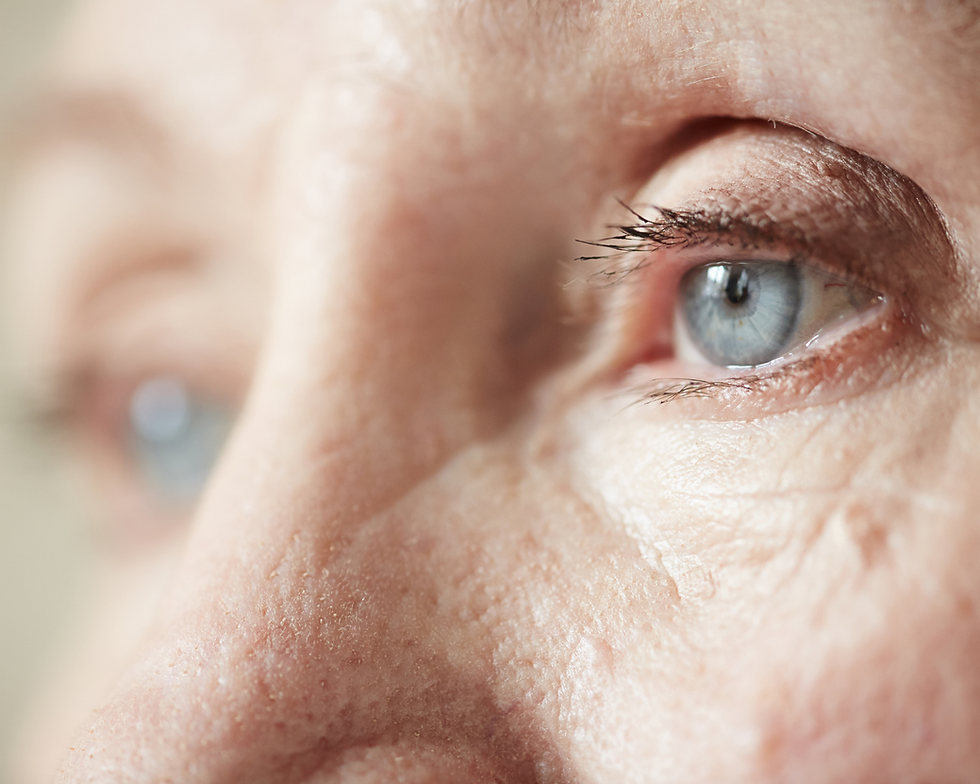
E — Eyes
Sudden vision changes can be another warning sign. This may include blurred or double vision or sudden loss of sight in one or both eyes.
F — Face
Ask the person to smile. Does one side of the face droop or feel numb? An uneven smile can be an important warning sign.
A — Arms
Ask the person to raise both arms. If one arm becomes weak, numb, or begins to drift downward, a stroke may be occurring.
S — Speech
Listen for sudden speech difficulties. Speech may become slurred, confused, or difficult to understand. The person may also have trouble understanding what others are saying.
T — Time to Call 911
If any of these symptoms appear, call 911 immediately.
Do not wait to see whether the symptoms improve. Note the time the symptoms started, if possible, because this information can help healthcare professionals determine the most appropriate treatment.
Other Possible Stroke Symptoms
Not every stroke looks exactly the same. Other symptoms can include:
Sudden numbness or weakness, particularly on one side of the body
Sudden confusion
Difficulty speaking or understanding speech
Sudden trouble seeing
Sudden difficulty walking
Loss of coordination
A sudden, severe headache with no known cause
Because symptoms can vary, any sudden neurological change should be taken seriously.
Is Stroke Dangerous?
Yes. A stroke can cause permanent brain damage, long-term disability, or death. The sooner treatment begins, the greater the opportunity to reduce brain injury and improve outcomes.
This is why families and caregivers should never attempt to manage suspected stroke symptoms at home.
If an older adult suddenly develops facial drooping, arm weakness, speech difficulty, vision problems, severe dizziness, or another concerning neurological symptoms, call 911 immediately.
Do not drive the person yourself if an ambulance is available. Emergency medical personnel can begin care while transporting the person to the hospital.
Can Stroke Be Prevented?
Many strokes can be prevented by addressing controllable risk factors.
One of the most important steps is managing high blood pressure, which NINDS identifies as the leading risk factor for stroke. Regular medical care can help older adults monitor blood pressure, cholesterol, blood sugar, and heart conditions.
Healthy habits can also help reduce stroke risk. Depending on a person's health and recommendations from their healthcare provider, prevention may include:
Manage Blood Pressure
High blood pressure can damage blood vessels and significantly increase stroke risk. Follow prescribed treatment plans and monitor blood pressure as recommended.
Stay Physically Active
Regular physical activity supports cardiovascular health and can help manage several stroke risk factors. Older adults should choose activities appropriate for their abilities and health conditions.
Eat a Heart-Healthy Diet
A diet that includes fruits, vegetables, whole grains, and healthy proteins and fats can support overall cardiovascular health. Reducing excess sodium can also help with blood pressure management.
Don't Smoke
Smoking increases stroke risk. Quitting can significantly improve health and reduce that risk over time.
Manage Diabetes and Cholesterol
Diabetes and high cholesterol can contribute to blood vessel damage and increase stroke risk. Work with a healthcare provider to monitor and manage these conditions.
Manage Heart Conditions
Conditions such as atrial fibrillation can increase the risk of blood clots and ischemic stroke. Following a healthcare provider's treatment plan can help reduce this risk.
How In-Home Care Can Support Stroke Prevention and Recovery
Recognizing stroke symptoms is only one part of protecting an older adult. After a stroke, returning home can bring new challenges involving mobility, personal care, medication routines, meals, communication, and emotional well-being.
In-home senior care can provide practical support while an older adult follows their healthcare and rehabilitation plan.
Depending on the individual's needs and care plan, a caregiver may assist with:
Safe movement around the home
Personal care and daily activities
Meal preparation
Medication reminders
Transportation to appointments
Maintaining daily routines
Companionship
Observing changes in condition
Communicating relevant observations to family members
Stroke rehabilitation can take weeks, months, or even years, and recovery is different for every person.
Having appropriate support at home can make everyday activities more manageable while allowing the senior to remain in a familiar environment.
What Should Families Do If They Suspect a Stroke?
The most important thing is simple: act quickly.
Remember B.E. F.A.S.T.:
B — Balance loss
E — Eye or vision changes
F — Face drooping
A — Arm weakness
S — Speech difficulty
T — Time to call 911
If you notice one or more of these symptoms, call 911 immediately and note when the symptoms began. Even if the symptoms disappear, seek emergency medical attention because they could indicate a TIA or another serious condition.
Knowing the early signs of stroke can help families respond when every second matters. Sudden balance problems, vision changes, facial drooping, arm weakness, and speech difficulties should never be ignored.
For older adults, stroke prevention also means managing blood pressure, diabetes, cholesterol, heart conditions, smoking, physical activity, and other risk factors with the help of a healthcare professional.
And for families caring for a stroke survivor at home, compassionate in-home care can provide valuable assistance with everyday activities and recovery routines.
When it comes to stroke, don't wait and don't watch for symptoms to disappear. Recognize the signs, call 911, and let emergency professionals determine the next steps.
In Need of Assistance? Unified Pledge Home Health provides a FREE consultation. Talk to them about your situation and explore your options. Hiring professionals from Unified Pledge comes with the following advantages:
Level II FBI background checks of all staff
Driving history checks
Constant communication to patients, family, and care team
Registered Nurse supervision is ongoing with every care plan
Contact us today for a FREE consultation by a Supervisory Nurse at 561-800-4581


Comments